
Electrical work in commercial settings carries higher stakes than typical residential projects. Larger systems, stricter codes, and business operations all factor into every decision made during installation or repair work. Choosing the right professional for this work protects both safety and long-term reliability. Here is what business owners should understand before hiring help.
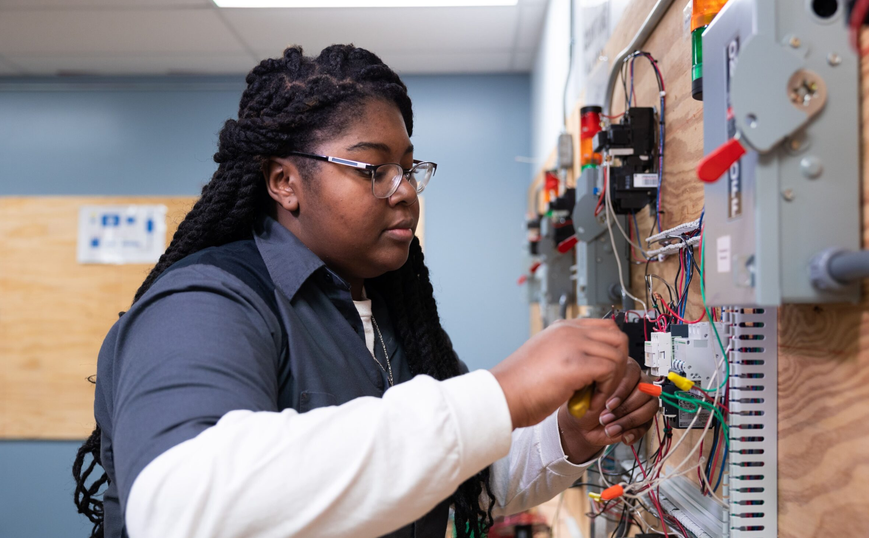
Finding Qualified Help for Commercial Work
Not sure what separates commercial electrical work from typical residential jobs? Working with an experienced commercial electrical contractor protects your business from costly mistakes and safety risks. Here is what to look for.
Licensing and Certification Requirements
Commercial electrical work requires specific licensing beyond what residential electricians typically hold. These certifications demonstrate knowledge of more complex systems and stricter code requirements found in commercial settings. Verifying proper licensing before hiring protects business owners from liability and ensures work meets required safety standards. Skipping this verification step creates unnecessary risk when problems eventually surface during inspections.
Experience With Your Specific Industry
Different commercial spaces present unique electrical demands. Retail spaces, restaurants, and manufacturing facilities each require different considerations regarding load capacity and equipment needs. A contractor experienced primarily in office buildings may lack familiarity with the specific demands industrial equipment places on electrical systems. Asking about relevant industry experience helps ensure a contractor understands your facility’s particular requirements thoroughly.
Understanding Code Compliance
Commercial buildings face stricter and more complex code requirements than residential properties. This includes considerations around fire safety, accessibility, and load capacity specific to business occupancy. Contractors unfamiliar with these requirements risk costly rework after failed inspections. Choosing a contractor who stays current on evolving code requirements protects business owners from compliance issues that could delay occupancy or operations significantly.
Availability for Emergency Situations
Electrical problems in a commercial setting can halt operations entirely, costing significant revenue every hour work stays disrupted. Ask potential contractors about emergency response availability and typical response times. A contractor offering unclear answers about emergency support may leave a business vulnerable during critical situations. Clear communication about this upfront helps business owners understand what support looks like when problems arise unexpectedly.
Getting Detailed Written Estimates
Commercial electrical work often involves significant investment, making detailed estimates essential before committing to any contractor. A thorough estimate should outline materials, labor, and timeline expectations clearly. Vague quotes often lead to unexpected costs partway through a project. Comparing estimates from multiple contractors helps business owners understand fair pricing while avoiding providers who might cut corners on safety or code compliance.
Conclusion: Finding Qualified Help for Commercial Work
Choosing the right commercial electrical contractor requires evaluating licensing, relevant experience, and code compliance knowledge carefully. Emergency availability and detailed estimates round out important considerations before committing to any provider. Taking time to evaluate these factors thoroughly helps business owners protect their operations and ensure electrical work meets the highest safety standards.
Recent Comments