
The Water Damage Sources Most Homeowners Never Think to Check
Most people associate water damage with dramatic events like burst pipes or flooding. The reality is that the majority of serious water damage situations develop from sources far less obvious, working quietly behind walls, beneath floors, and above ceilings for months before the evidence becomes undeniable. Knowing where to look changes everything.
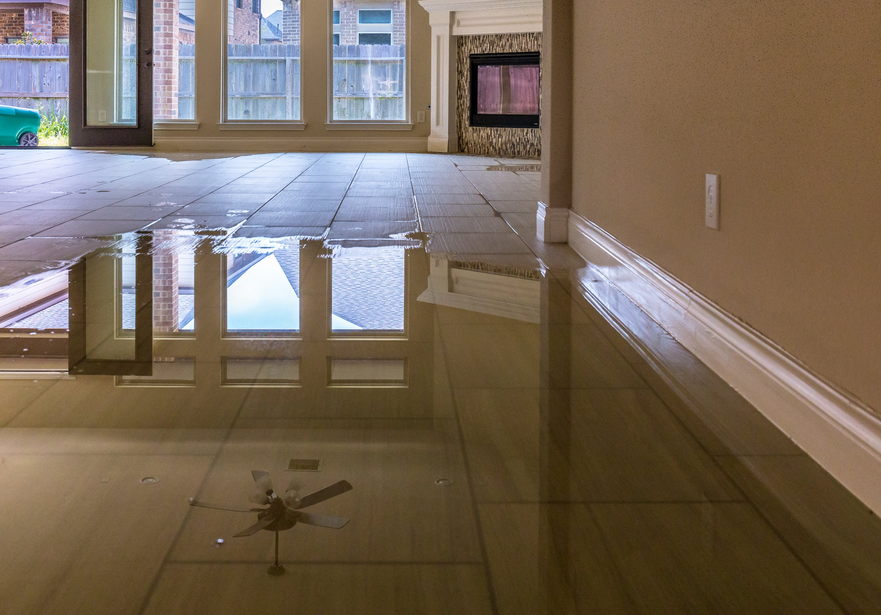
Finding the Problem Early Makes All the Difference
The most expensive water damage is almost always the kind that goes undetected the longest. Homeowners who suspect hidden moisture issues turn to professional water damage restoration Woodstock GA specialists who combine detection expertise with restoration capability to address the problem completely rather than simply treating what is visible on the surface.
Slow Plumbing Leaks Cause More Damage Than Sudden Failures
To begin with, the slow drip from a supply line fitting, a deteriorating wax ring beneath a toilet, or a pinhole leak in copper pipe concealed within a wall cavity causes more cumulative damage than most sudden failures precisely because it continues undetected for so long. Water released slowly saturates surrounding materials gradually, travels along framing members and subfloor panels to affect areas far removed from the actual leak source, and creates persistently moist conditions that support sustained mold growth long before any surface staining or odor alerts the homeowner.
Roof and Flashing Failures Introduce Water at the Worst Possible Location
Furthermore, moisture entering through compromised roof flashing, deteriorated pipe boots, or damaged shingles enters the home at its highest point and travels downward through insulation, ceiling assemblies, and wall cavities before appearing anywhere a homeowner would naturally observe it. By the time a water stain appears on a ceiling, the moisture has typically already saturated insulation, begun affecting the ceiling drywall, and potentially reached wall framing below.
HVAC Systems and Condensate Lines Are Overlooked Leak Sources
Another water damage source that catches homeowners off guard with surprising frequency is the condensate drainage system associated with air conditioning and forced air heating equipment. Condensate drain lines that become clogged with algae growth, drain pans that crack or corrode over time, and improperly sloped drain runs that allow water to back up rather than drain freely can all release significant moisture into attic spaces, mechanical closets, and ceiling assemblies directly below HVAC equipment.
Exterior Grading and Foundation Drainage Affect Interior Moisture Levels
Finally, water damage originating from exterior drainage deficiencies represents a category that homeowners often fail to connect to the interior moisture problems they observe. Soil graded toward the foundation rather than away from it directs surface runoff directly against the structure during every rain event. Downspouts that discharge at the foundation rather than extending water away from the home concentrate roof drainage at precisely the point where it causes the most harm. Over time these conditions saturate foundation walls, allow moisture to migrate through concrete and masonry, and create the persistently damp basement and crawl space conditions that contribute to structural deterioration and chronic mold problems that restoration alone cannot permanently resolve without addressing the exterior drainage at its source.
Conclusion: Finding the Problem Early Makes All the Difference
To sum it all up, the water damage sources most likely to cause serious harm are the ones operating quietly and invisibly until the damage they have caused becomes impossible to ignore. Slow plumbing leaks, roof and flashing vulnerabilities, HVAC condensate failures, and exterior drainage deficiencies all share the characteristic of being detectable and addressable before they escalate into full restoration emergencies.
Recent Comments