
What to Know Before Installing an Electric Vehicle Charger at Home 

As electric vehicles (EVs) become more popular, the demand for home charging stations has grown. Installing an electric vehicle charger at home offers convenience, allowing you to charge overnight and be ready to go the next morning. However, before jumping into installation, there are several important factors to consider to ensure a smooth and safe process.  
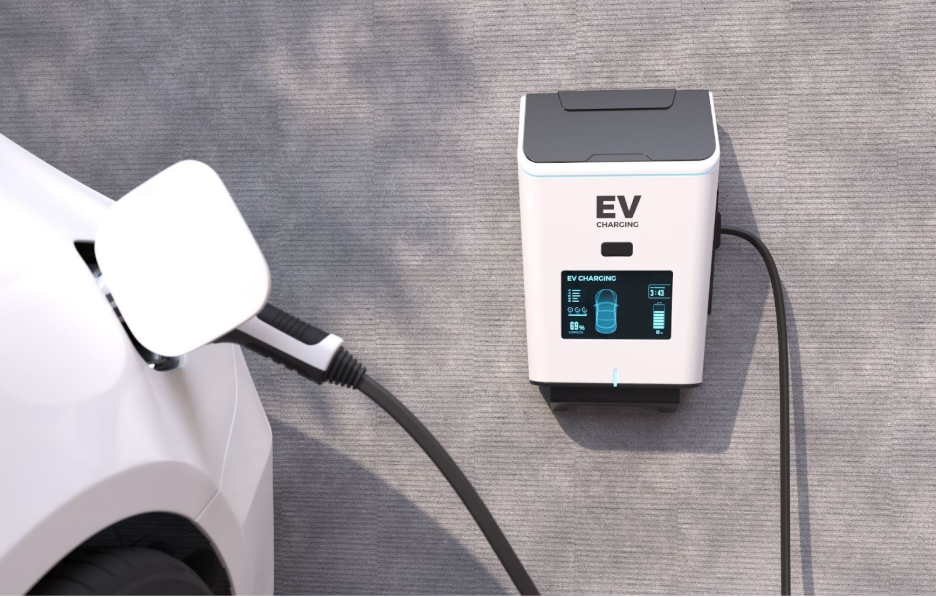
Everything You Need to Know about EV Charger Installation 

This guide covers what you need to know about electric vehicle charger installation Charleston SC

1. Choose the Right Type of Charger 

There are three levels of EV chargers, each with different charging speeds and installation requirements: 

  • Level 1: This is the slowest type, using a standard 120-volt household outlet. It’s simple to install, but it can take up to 24 hours to fully charge an EV. 

  • Level 2: A faster option that uses a 240-volt outlet, similar to what an electric dryer or oven uses. This type can charge most vehicles in 4-6 hours and is ideal for daily use at home. It requires professional installation. 

  • Level 3 (DC Fast Charging): This is the fastest type of charger, but it’s typically used in commercial settings. It’s not usually installed at home due to its high cost and power requirements. 

Level 2 chargers are the most popular for home use because they offer a good balance between speed and convenience. 

2. Check Your Home’s Electrical Capacity 

Installing a Level 2 charger requires a 240-volt circuit, which may not be available in all homes. Before proceeding, you’ll need to assess your home’s electrical capacity to determine if you have enough power to support the charger. 

3. Find the Right Location for Installation 

The location of your EV charger is important for both convenience and safety. You’ll need a spot near your parking area, whether that’s a garage, driveway, or carport. The charger should be installed within reach of the vehicle’s charging port, and you’ll want to ensure that the wiring doesn’t present a tripping hazard. 

In some cases, an extension cord or additional wiring may be required if your vehicle’s charging port is far from the electrical panel. 

4. Consider the Cost of Installation 

While the cost of the charger itself typically ranges from $500 to $1,200 (depending on the brand and features), the installation process can be more expensive. Installation costs can range from $300 to $2,000, depending on the complexity of the electrical work, the location of the panel, and whether you need an upgrade to your electrical system. 

5. Research Local Permitting and Code Requirements 

In many areas, installing a Level 2 EV charger requires a permit, as it involves electrical work that must meet local building codes. The permitting process ensures that the installation is done safely and correctly. 

Your electrician will typically handle the paperwork and inspection process for you. It’s important to check with your local government or utility provider to understand any regulations or requirements before proceeding. 

Conclusion: Everything You Need to Know about EV Charger Installation 

Installing an EV charger at home is a great investment in both convenience and sustainability. However, it’s essential to consider factors like the type of charger, electrical capacity, cost, and safety requirements before moving forward. By working with a licensed electrician and properly planning the installation, you can enjoy the convenience of home charging with peace of mind. 

How to Get the Most Out of Your Relationship with an Architect

Hiring an architect is only the first step. What you do with that relationship from the very first meeting to the final walkthrough determines the quality of the outcome far more than most clients realize. Many property owners hire talented architects and then unintentionally limit the results by being unclear about their vision, disengaged during the design process, or unprepared for the realities of construction. Getting the most out of your architect requires active and informed participation at every stage. Keep reading to find out how to be the kind of client that brings out the best in their architect.

What It Takes to Build a Productive Relationship with Your Architect

The best architectural outcomes are always the result of a genuine and well-functioning partnership between client and designer. Property owners who engage thoughtfully with Orange County architects from the very beginning consistently end up with spaces that exceed their expectations in both design quality and functionality. Here is how to make that partnership work.

Come Prepared with a Clear and Honest Brief

First and foremost, the quality of your architect’s work is directly shaped by the quality of the information you provide at the outset. A clear and honest brief that outlines your goals, priorities, lifestyle needs, budget boundaries, and any non-negotiable requirements gives your architect the foundation they need to design something that genuinely works for you. Additionally, sharing images, references, and examples of spaces you admire helps bridge the gap between verbal descriptions and visual intentions. The more context and clarity you provide upfront the less time is spent on revisions and the faster the design process moves toward something you truly love.

Stay Engaged Throughout the Design Process

Furthermore, one of the most common mistakes clients make is stepping back and waiting passively for their architect to present a finished design. Architecture is an iterative and collaborative process that benefits enormously from active client participation at every stage. Additionally, attending design reviews, asking questions, sharing honest reactions, and providing timely feedback keeps the project moving forward and ensures that the design evolves in a direction that genuinely reflects your vision. A client who stays engaged and communicates openly throughout the process is far more likely to end up with a result that feels personal, intentional, and exactly right.

Trust the Expertise You Are Paying For

Another quality that distinguishes clients who get great results from those who struggle is their willingness to trust their architect’s professional judgment on technical and design matters. It is entirely appropriate to advocate for your preferences and push back when something does not feel right. However, second guessing every design decision or overriding professional recommendations based on personal assumptions can undermine the coherence and quality of the final design. 

Conclusion: What It Takes to Build a Productive Relationship with Your Architect

To wrap it all up, getting the most from your architect comes down to preparation, engagement, trust, and open communication. These qualities transform a transactional hiring decision into a genuine creative partnership that produces results far beyond what either party could achieve alone. Do not hire a talented architect and then limit what they can do for you. Show up as an informed and engaged partner from day one and invest in the kind of collaborative relationship that brings truly exceptional spaces to life.